
Neither is necessary. The rules here are clear once you know which bucket a cost falls into.
1. Meals: Some Meals are Fully Deductible but Expect to Get Half
The exceptions are specific and genuinely useful, and this is where most of the missed money sits.
You deduct the full amount when you bill meals to the customer and itemize them on the invoice, when you host an event open to ALL your staff at a location — a Christmas party, a barbecue (up to six events per year), when meals are provided at a remote or special work site where going home isn't reasonable, when a meal amount is included in an employee's income as a taxable benefit, or when the event is a fundraiser for a registered charity.
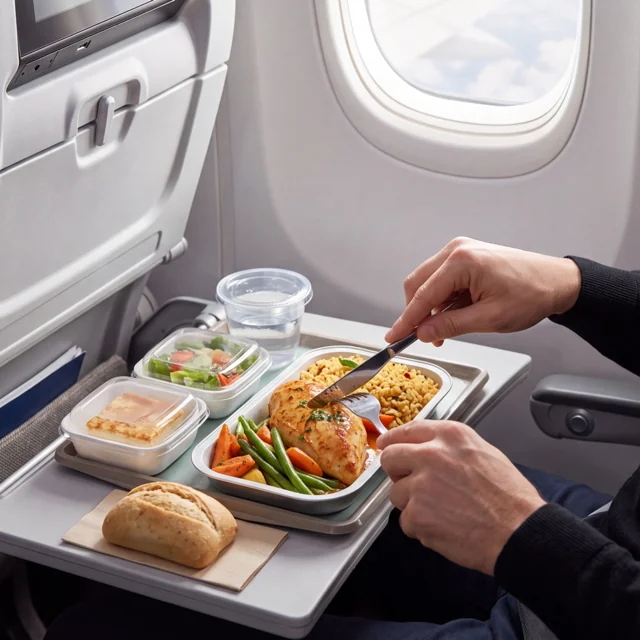
The starting point is that food and drink bought for business purposes are deductible at half the cost. Not all of it — half. The reasoning is that you'd have eaten anyway, so CRA splits the difference. You don't have to like the logic, but it's the default and it applies to client lunches, the coffee you buy a supplier, meals while travelling, and food at a conference where it wasn't included in the ticket.
There's a second half-rule that catches people: your GST input tax credit on those purchases is limited the same way. If only half the meal is deductible, only half the GST comes back.
What to do: Code meals to their own account rather than burying them in general expenses. Your accountant needs to apply the limit at year-end, and that's impossible if the coffee is mixed in with the fuel. Also, if your contracts involve billing costs through, talk to your accountant about how those lines are worded on the invoice. It's a small change in how you write a bill that produces a real difference in what you keep.

2. What You Can't Claim
Three that come up constantly:
•Your daily morning coffee or lunch. Having coffee and eating while self-employed isn't a business expense. There has to be a business purpose beyond hydrating and feeding yourself, and a coffee or sandwich on the way to a job site doesn't have one.
•Meals for a spouse or family member along on a trip, unless they genuinely work in the business and had a business reason to be there.
•Anything unreasonable for the circumstances. The expense has to be sensible given the nature of your business. An extravagant dinner draws attention even where the business purpose is real.
3. Travel Means Away, Not Just Driving
Travel costs are deductible when a job takes you away from your usual area of work — accommodation, flights, mileage, baggage, parking. Those are claimed in full, unlike meals.
The distinction that matters: driving to your regular workplace is commuting, not travel. Driving to a job site is business, but it falls under fuel or vehicle expenses rather than travel. The travel category kicks in when you're genuinely away — an overnight in Fort McMurray, a week on a job in Grande Prairie, a supplier trade show in Calgary.
Where a trip mixes business with personal time, only the business portion is claimable, and the split needs to be defensible.
What to do: Keep the itinerary or job documentation with the receipts. A hotel folio proves you stayed somewhere; the work order proves why.
4. Remote and Camp Work Follows Different Rules
Alberta trades work often means jobs where going home each night isn't realistic. That triggers a separate set of rules worth understanding, because they're more generous than the standard ones.
Where an employee works at a special or remote work site and can't reasonably return home daily, board and lodging you provide — or an allowance you pay for it — can be non-taxable to them, and the meals aren't subject to the usual half limit for you.
There's paperwork attached. The conditions about distance, duration and the nature of the accommodation are specific, and there's a declaration form involved.
What to do: If you're sending crew out of town for extended stretches, get the treatment confirmed before the first payroll rather than after. Done properly it's better for the crew and better for the company; done casually it becomes a taxable benefit nobody budgeted for.
5. Feeding the Crew
Buying lunch for the guys on a Friday is a business expense — at half, like any other meal.
But an event open to all your employees at a location is fully deductible, within a limited number of events each year. A crew barbecue, a Christmas dinner, a season-end lunch where everyone's invited: those are the full amount. Taking one foreman out for wings is not.
The difference is whether everyone at that location was included.
What to do: If you're going to feed the crew anyway, do it as a whole-crew event a few times a year rather than piecemeal. Same generosity, better tax result.
6. The Two Lines That Save the Claim
Meals are among the commonly reviewed deductions, and the reason claims fail is almost never the amount. It's that the receipt doesn't say why.
A restaurant receipt proves you bought food. It doesn't prove there was a business purpose. What turns it into a defensible deduction is a note: who was there, and what it was about.
What to do: Write it on the receipt or in the memo field when you photograph it. “Lunch – Dave at Northgate Supply, pricing on the Rossdale job” takes five seconds and is the entire difference between a claim that holds and one that doesn't. Restaurant receipts also fade faster than almost anything else in your truck, so photograph them the same day.
Where a CPA Fits
Most of what's above is a coding problem before it's a tax problem. Costs that land in the right accounts as they're entered get claimed correctly; costs that get sorted out in a rush at year-end get claimed conservatively, which is a polite way of saying you leave money behind.
MaryLee Vaughan Professional Corporation is a Chartered Professional Accountant practice in Spruce Grove, serving the area for more than 25 years and working with Alberta small businesses and trades companies — corporate and personal tax, year-end financial statements, tax planning, and CRA notices, reviews and appeals.
If you're sending a crew out of town, billing costs through to customers, or just not confident your meal claims would survive a look, book a free 20-minute consultation. No pressure and no jargon.
This article is general information, not tax advice. Rules and limits change from year to year and eligibility depends on your circumstances — confirm the details for your situation with your accountant before acting.